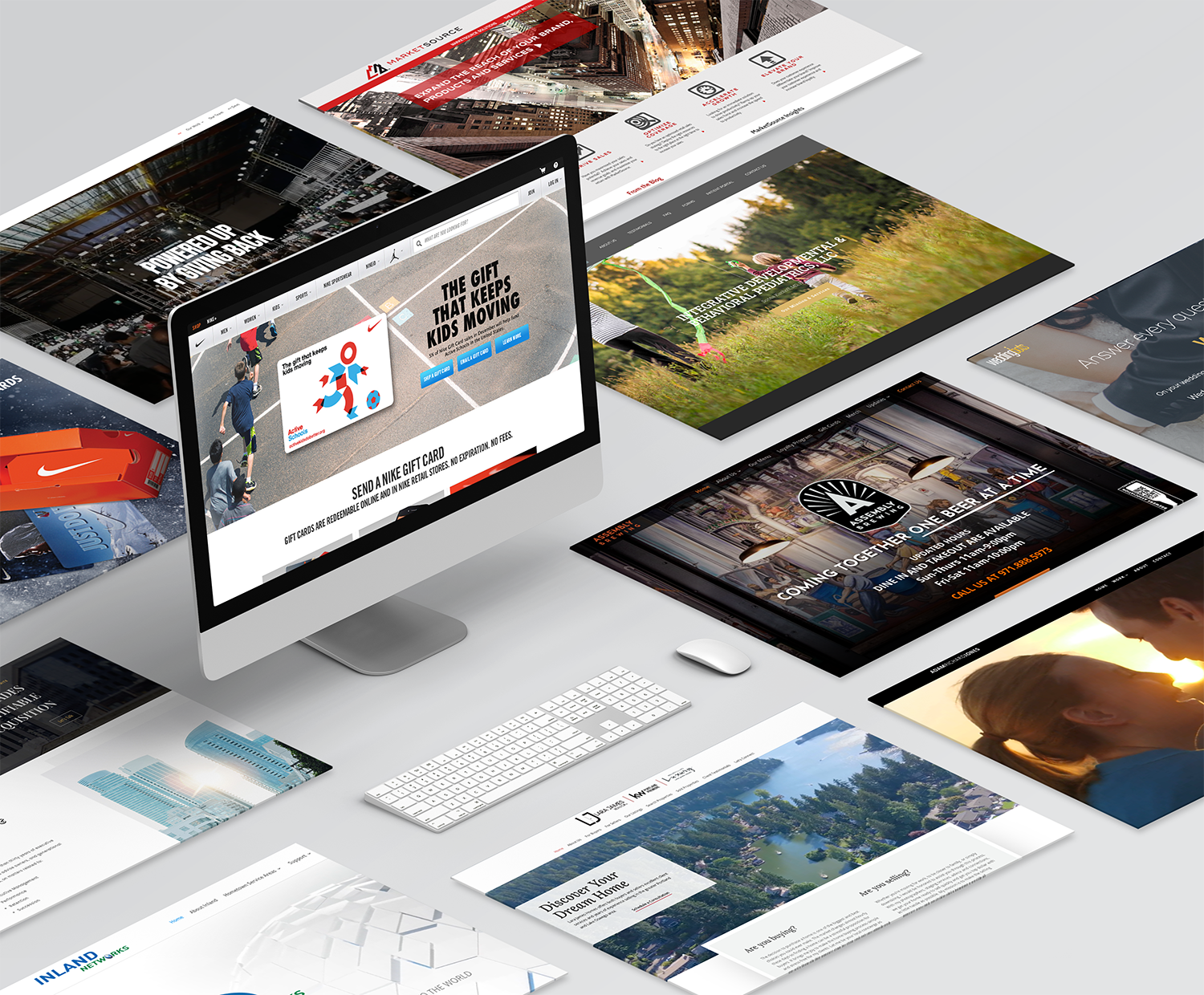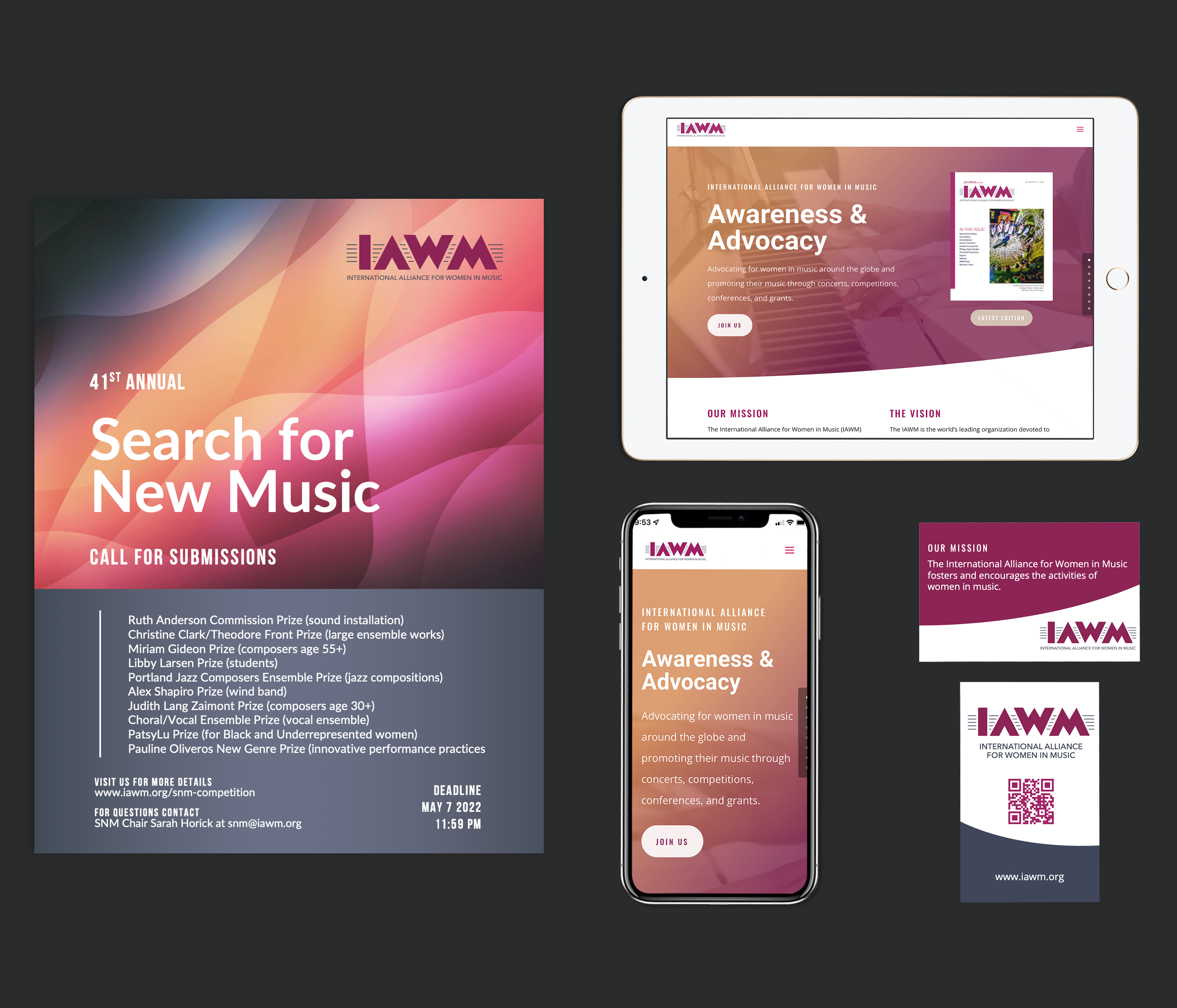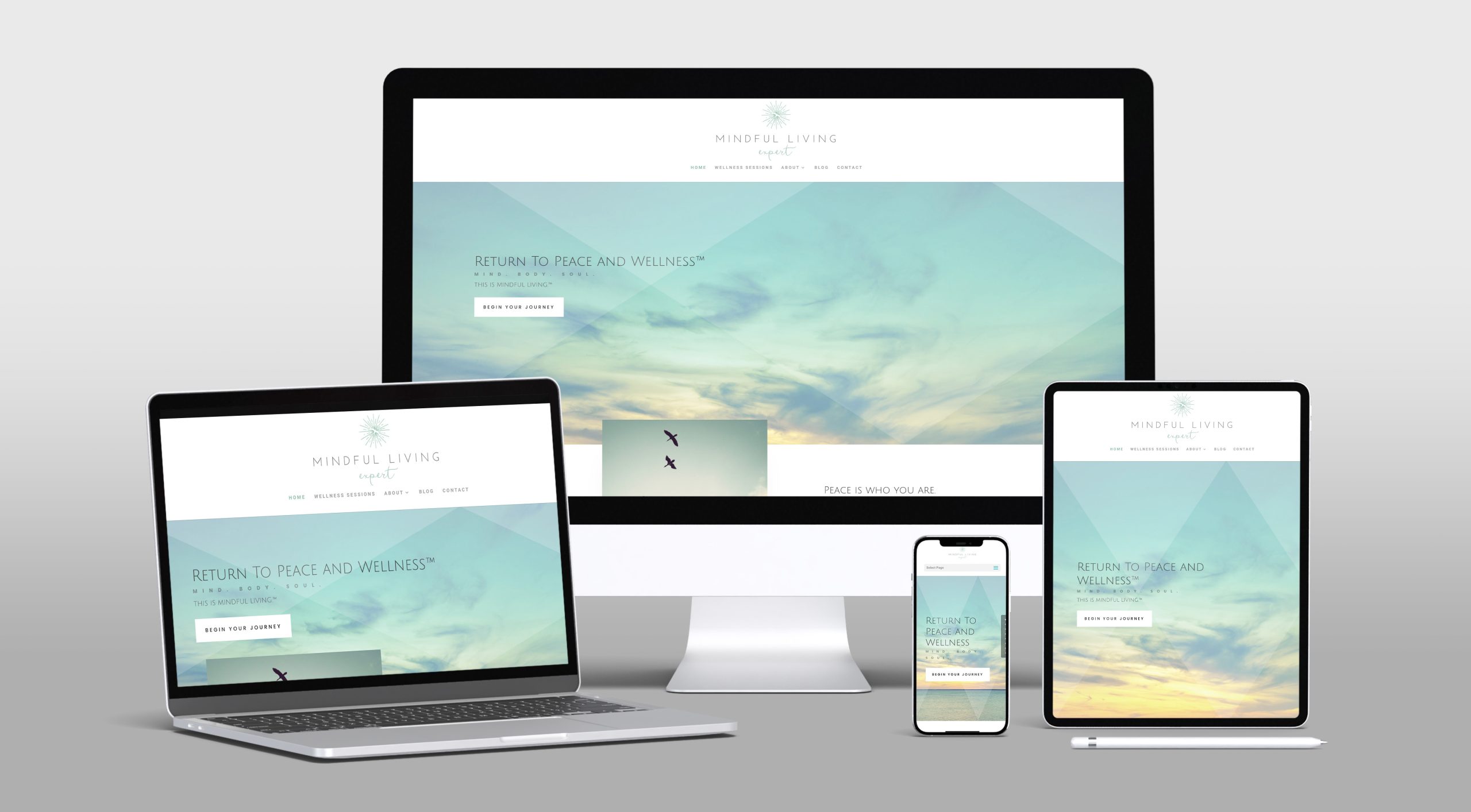
56 Clean Website Designs Using A Minimalist Color Scheme
“56 Clean Website Designs Using A Minimalist Color Scheme”
Light and clean website designs that are simple but very elegant.
Tips, tricks and top of the head thoughts about the design industry.
“56 Clean Website Designs Using A Minimalist Color Scheme”
Light and clean website designs that are simple but very elegant.
In this web design tutorial, you’ll learn how to create a professional web design with an illustrated “vector” header in Photoshop. You’ll see many techniques here including how to draw using the Pen Tool and a excellent type treatment using layer styles.
Starter kits are great time savers for web designers; if you are a designer-cum-programmer think of it as your code snippets. These icons and graphics in a single file are particularly useful for designers who often create mock-ups for project pitching.
Alright everyone,
It’s been a great week with some eye-popping animation. I hope you all have enjoyed watching these vignettes and hope that you were also able to learn from your experience here. After all, that’s why we keep this blog; to share ideas, designs, diversions and creativity.
To close this week, I thought I’d post two additional pieces of animation. One is a stop motion piece called Her Morning Elegance.
Her Morning Elegance
The next is a piece is a traditional Cell animation called “Beautiful Music” by Yoann Lemoine. This piece shares a very similar style to Clover Studio’s “Okami” which we reference in many of our own brand materials as one of the quintessential “technology-meets-traditional” works of the last decade.
Beautiful Music
Thank you all for being here this week. As always, we’ll be back next week with more tip, tricks, news and updates. Have a great weekend everyone!
In the late 1980’s I was attending the University of Pittsburgh and trying to cut my teeth at Pittsburgh Filmmakers. At that time Filmmakers were the only gig in town for limited-release, avante garde films and one weekend we had the honor of hosting a film from Japan called Akira.

At the time, American audiences were familiar with Japanese animation pretty much exclusively through Speed Racer and maybe Astro Boy. The US was the heavyweight in producing high-quality masterworks of animation and between Disney, Ralph Bakshi or Don Bluth studios, America had the theatrical animation market cornered.
Akira was an atom-bomb to the animation landscape declaring that America is no longer the only game in town. Simply stunning.
Since that time, Anime has grown at an exponential rate in the US. Studio Ghibli has given us titles like “My Neighbor Totoro,” “Kiki’s Delivery Service,” “Princess Mononoke” and “Spirited Away” which won an Oscar for Best Animated Feature, the first anime film to win an Academy Award. However, if you still ask many people, especially people of my parent’s generation, when asked about Japanese animation they will still only be able to muster up “Speed Racer.”

Well, if you haven’t seen the Studio Ghibli stuff by now, I would of course recommend that you stop reading this and add it to your Netflix cue or run to your local video store tonight to watch them this weekend.
If you don’t feel like sitting down with your parents for two hours to try to indoctrinate them into Anime I highly recommend the following two series instead:
Cowboy BeBop
Samurai Champloo
These two shows are reminiscent of the old “post-1950’s serials” or “chapter plays,” that were broken into 15, or so, chapters. The characters all have a pulp magazine fiction backstory and are easy to grasp on to.
My favorite is definitely Cowboy BeBop for it’s subject matter and brilliant story arc. There is even one episode that focuses on people in the 21st century trying to figure out the difference between VHS and BETA tapes…seriously, how cool is THAT?
I completely forgot about posting this today alongside Kirsten Lepore’s “Story from North America.” She has a stop motion animation piece entitled “Sweet Dreams” which just received a Special Jury Award at SXSW 2009.
Don’t worry Anime fans, I’ll get to you tomorrow ;)
My kids and I are HUGE fans of Thurop Van Orman’s “The Marvelous Misadventures of Flapjack” about an excitable, adventure-loving boy and his washed-up, old sailor mentor. If you haven’t watched it, the show is downright brilliant.
This post isn’t about that show, but about the style of animation. Animators were worried in the late 70’s and early 80’s because their craft was being destroyed by simpleton, mass-produced pieces of clap-trap coming in from overseas (not slamming Anime AT ALL! See my post tomorrow to see why). Captain Planet, Ghostbusters and shows that revolved around talking heads with moving mouths (I’m looking at you SuperFriends), were swiftly mass-producing and effectively destroying the craft.
Flash forward to today to see that all of their worry was for naught. With animation becoming more and more of a challenge as to who can create more obtuse, dramatic forms of life, the craft is now in the hands of incredibly gifted and talented animators like Kirsten Lepore.
I stumbled across this gem of animation which shows an unbelievable amount of expression in semi-rudimentary illustration. The song’s message is delivered simply, effectively and powerfully using animation that matches the musics playfulness and simplicity.
This girl will go very, very far and if I were working at Viacom, I’d sign her up right away. Oh, and Kirsten, if you are listening, if Viacom comes asking, please take as much money up front as possible because you will receive nothing on the back end.
Just ask Vasquez and Kricfalusi how much they got when they got the boot ;)
Many of our clients don’t know that years ago I studied animation under legendary animator Chuck Jones (thanks to the extraordinary efforts of professor David Weinkauf). In fact, my first 16mm animations were done using the same equipment used by the team Warner Brothers (Tex Avery, Friz Freeling, etc) back in the golden age of animation.
Mr. Jones was the creator of classic characters like the Road Runner and Wile E. Coyote. He also collaborated with Dr. Theodore Geisel (Dr. Seuss), producing and directing animated film adaptations of the Seuss’ children’s books Horton Hears a Who and How the Grinch Stole Christmas. I, on the other hand, have managed to sink into obscurity in corporate-middle-management during the first five years of this century.
Working with Bauer Graphics has allowed me to rectify some of this ‘not-living-up-to-my-fullest-potential’ shame and has given me the chance to get back in touch with my past. We have been fortunate enough to have clients who continually need flash and computer animation and we’ve been fortunate enough to find and groom many animators in the classics.
This year, 2009, is the 60th anniversary of the first appearance of these two iconic characters; Road Runner and Wile E. Coyote. This year also marks my 15th year anniversary of not using my animation degree to it’s fullest potential.

Therefore, I will start to make amends by making this week all about sharing animations that you may have missed. Think of it as “Full O’ Shame Film Festival” for the viewers of this blog.
Enjoy!
Watercolor effects are very popular in web and graphic design right now. Achieving an impressive look can be much easier if you have the right brushes to create the watercolor effect. In this post we’ll feature the best brush sets of this kind.
Whether you are designing a clean corporate website or a grunge portfolio site, color is going to play a major role in how the design is perceived by the audience. That’s why it’s important to get the colors right upfront. There are plenty of tools out there made especially for this, but like anything else some are better than others. Here are 10 color tools that I think are exceptionally useful.